Shanghai Airstation
2014, Competition
Shanghai, China
The airport is one of the most emotionally loaded spaces in contemporary life, yet it is designed as though emotion were irrelevant. Time spent in airports is most commonly associated with anxiety, stress, and hurriedness — states that crowd out the moments that matter most: a proper goodbye to the people you are leaving, or a genuine first impression of a city you are arriving in. As transit fluidity increases and the world continues to compress, we will spend more time in airport terminals and less time in the cities they nominally serve. The AirStation is a proposal to correct this.
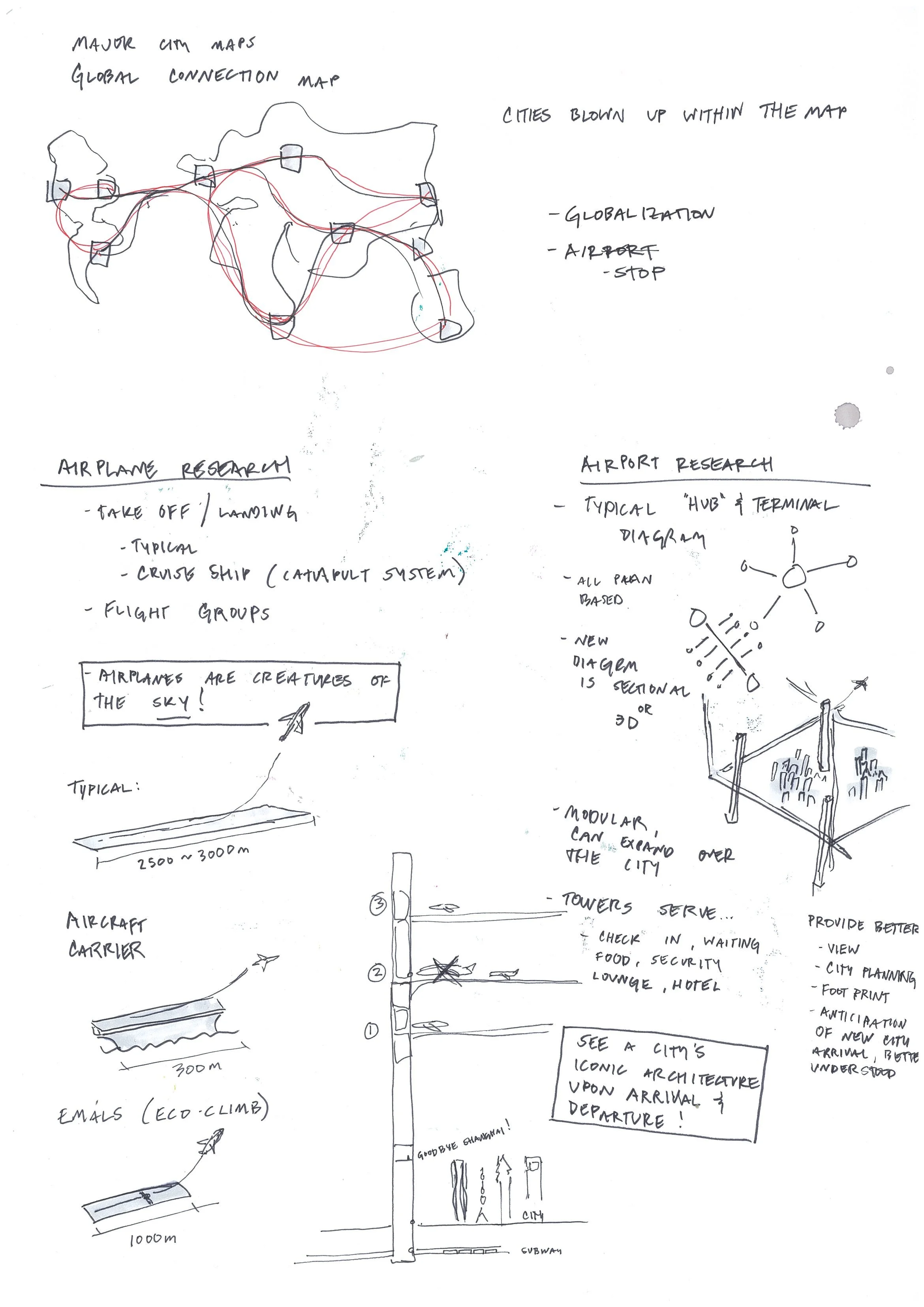
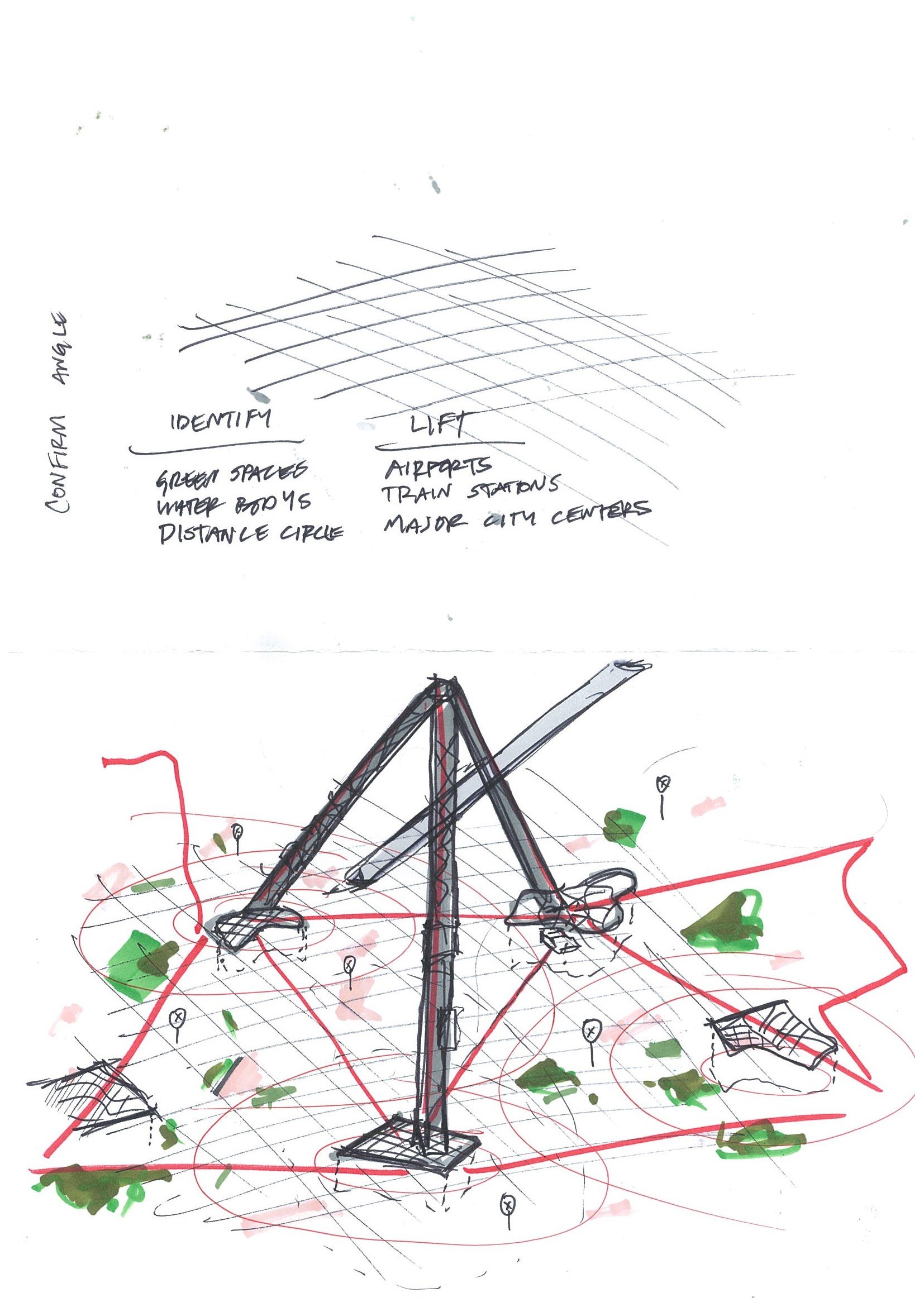
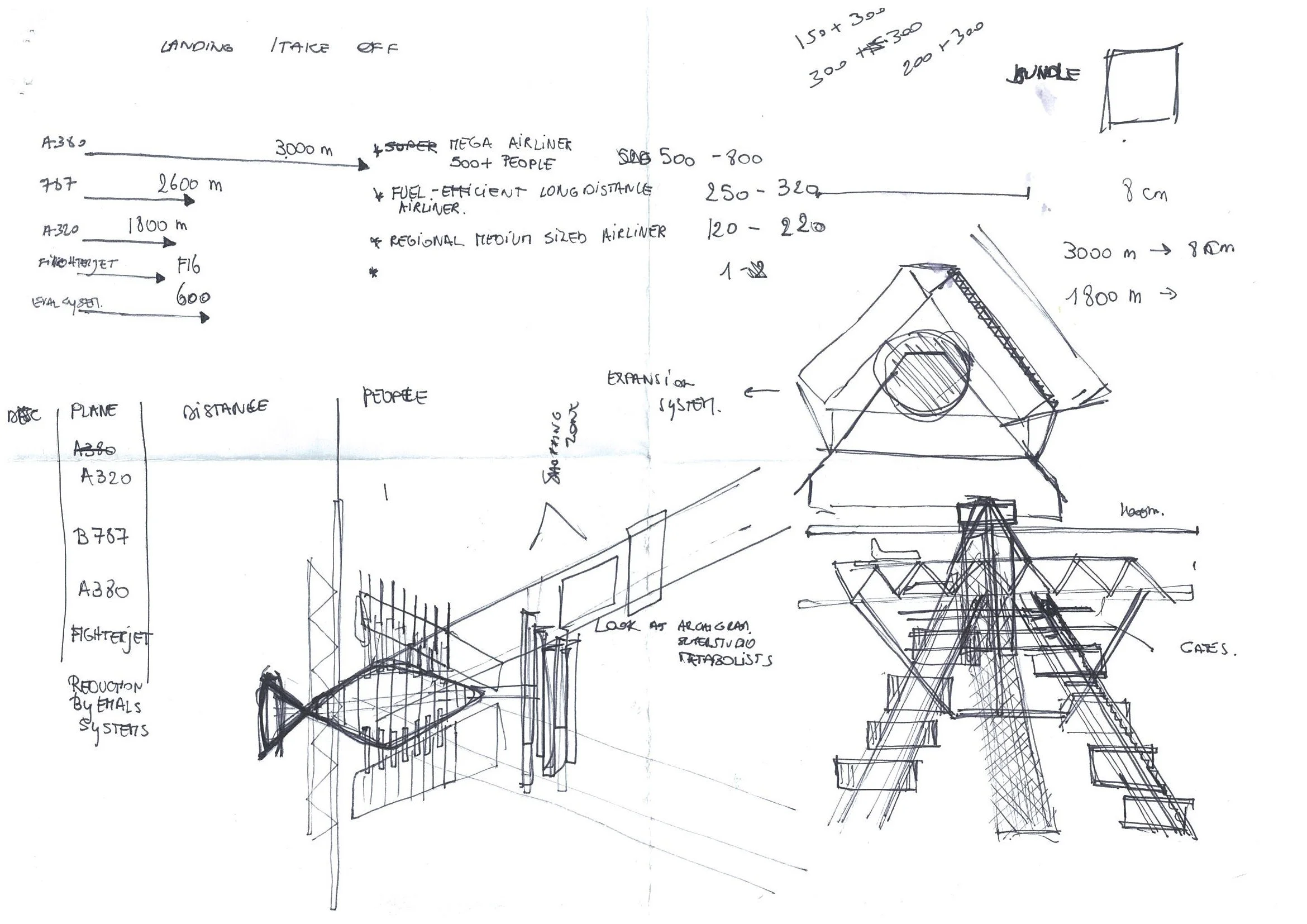
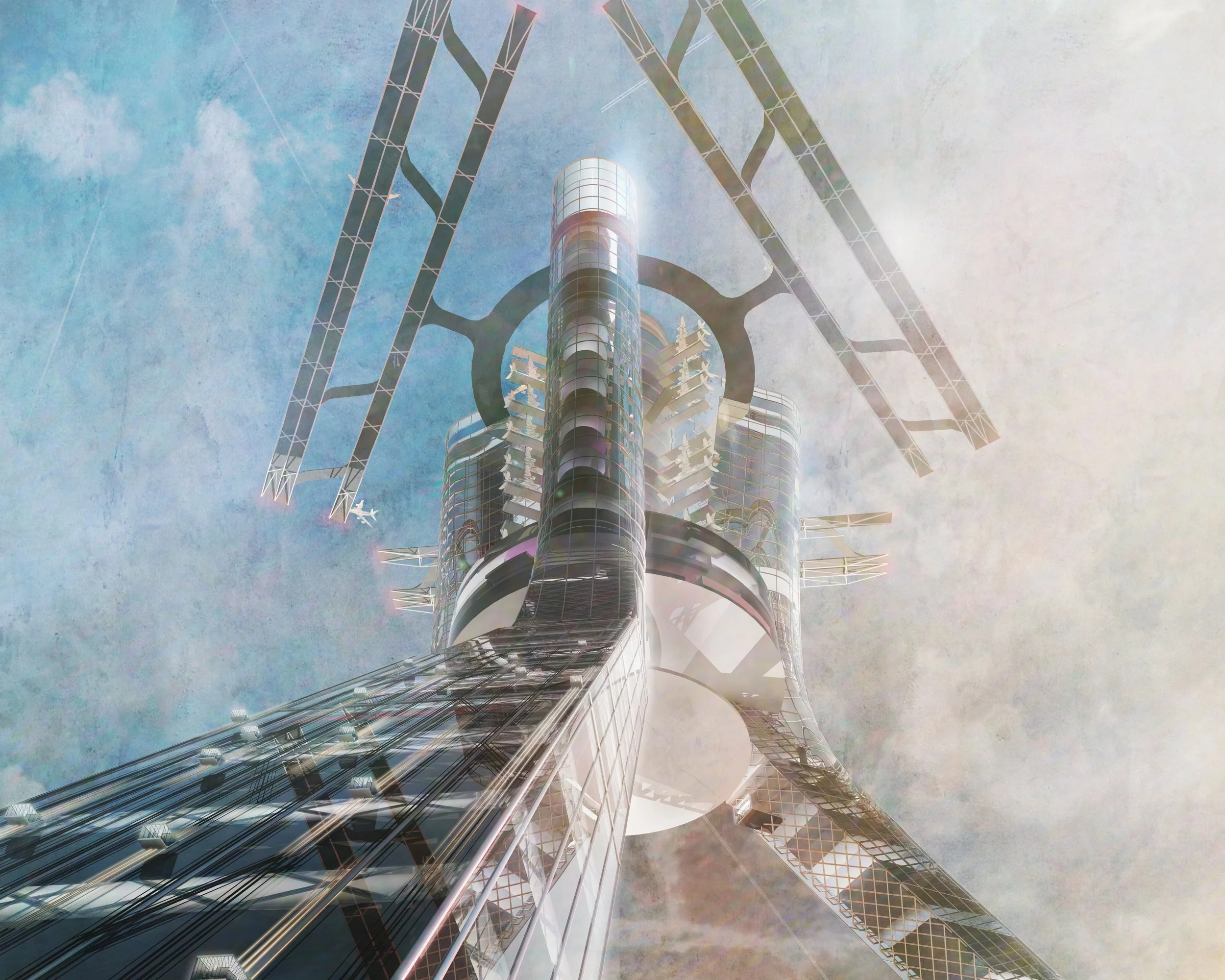
The project relocates the airport from the urban periphery into the city itself — lifting the entire program off the ground and into a vertical tower structure whose legs touch down at existing transit hubs and high-density population zones. The airport becomes a piece of civic infrastructure embedded in the city rather than displaced from it. The last sixty minutes before departure could be spent downtown. The first experience of a new city would be the city itself, seen from above through panoramic glass, rather than a disconnected terminal that belongs nowhere.
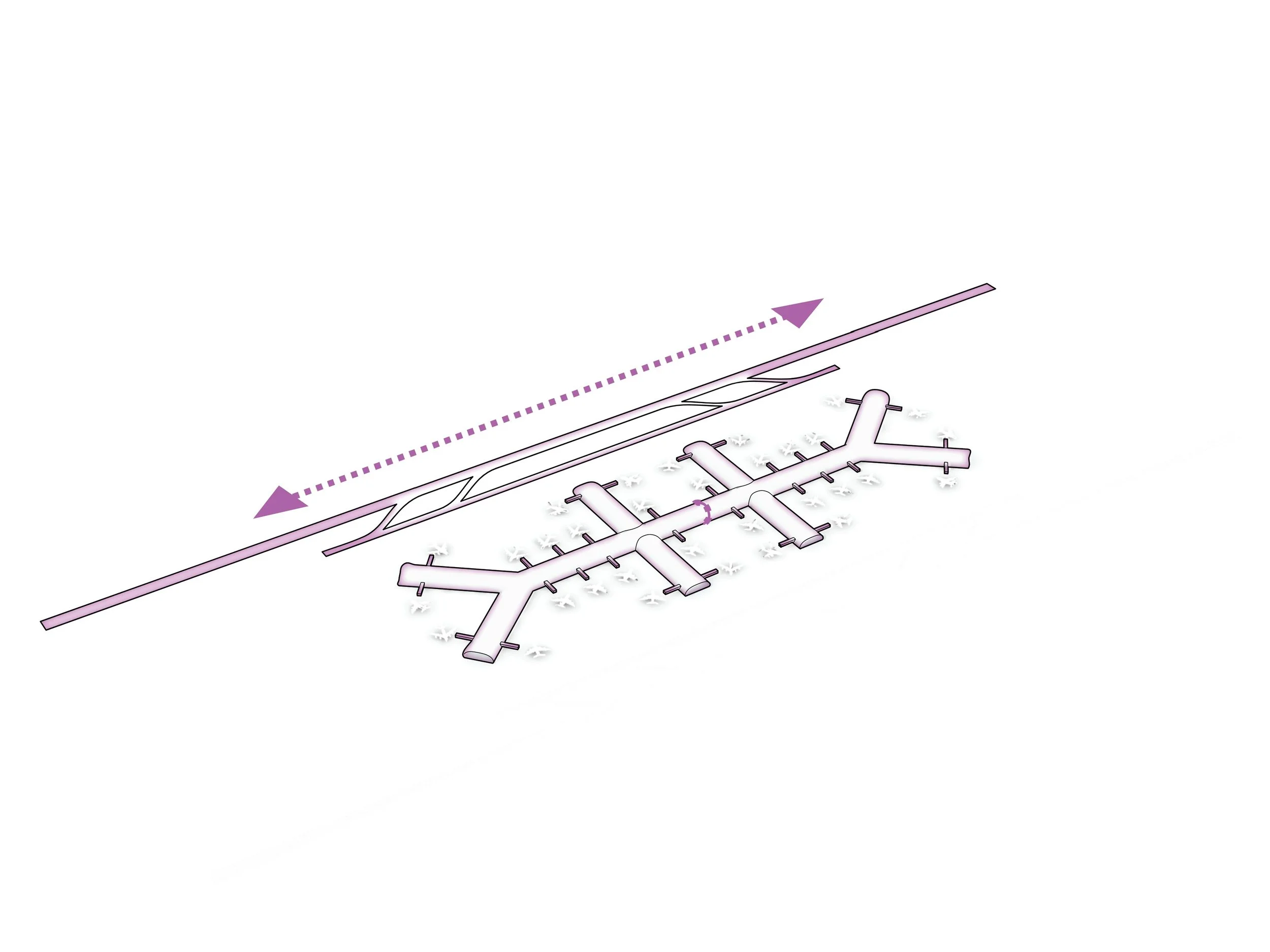
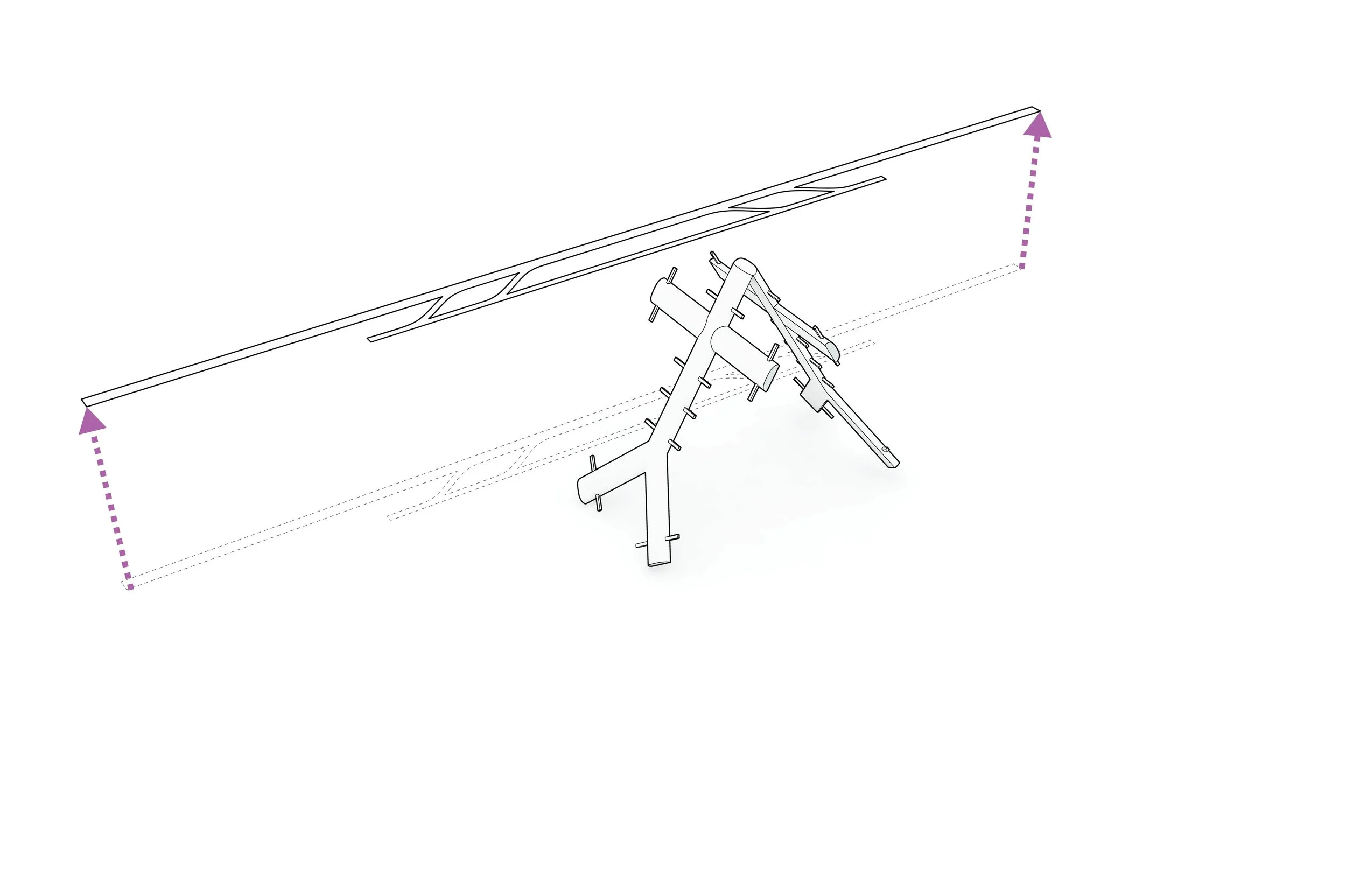
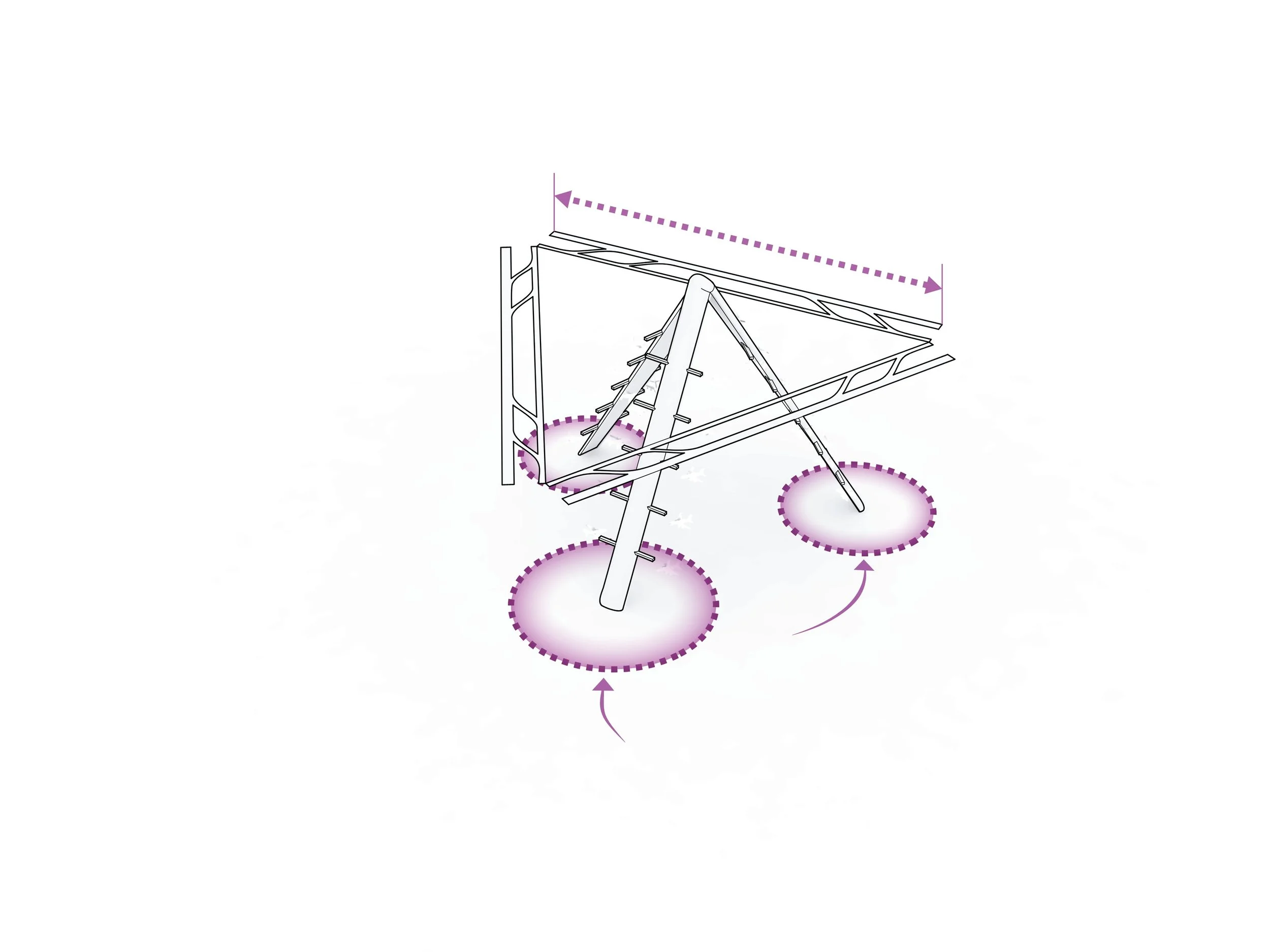
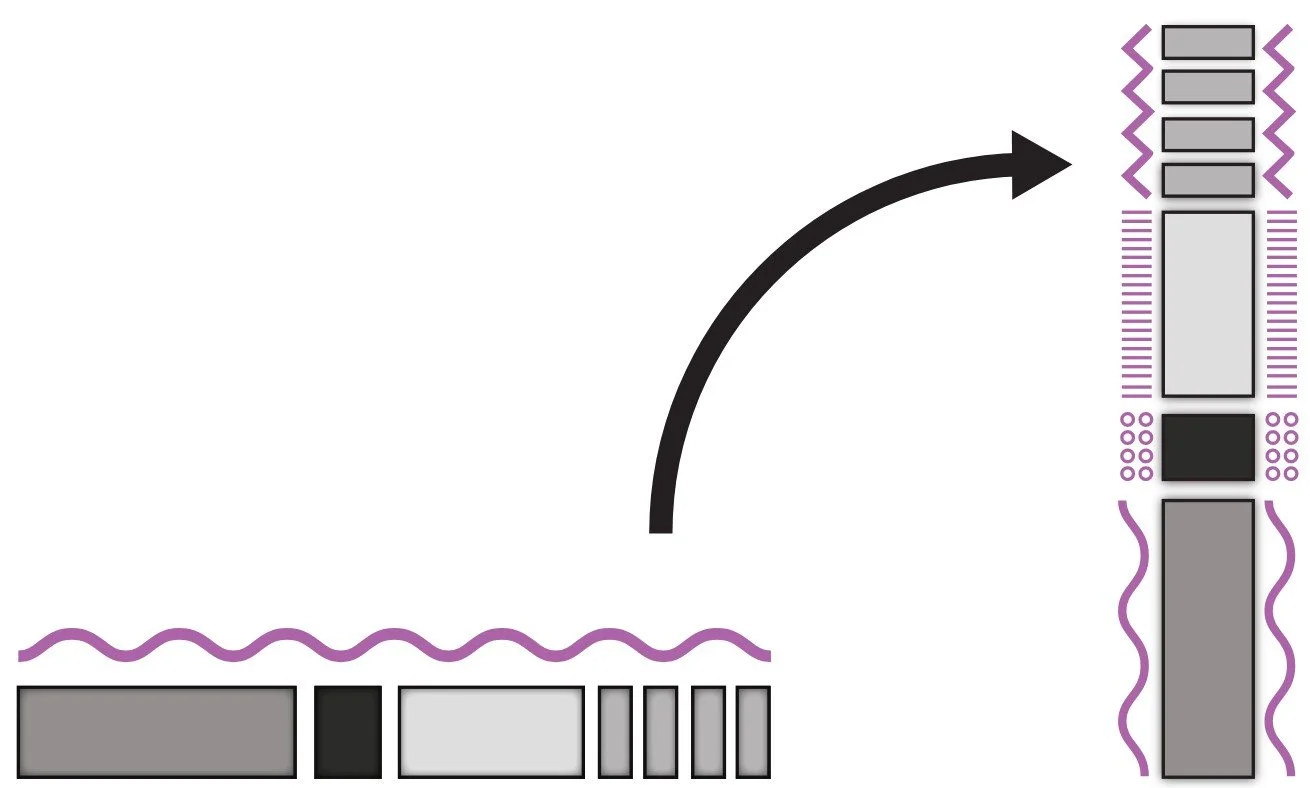
Flipping the airport vertically allows the facade to be expressive of program, rather than a simple roof structure
STRUCTURE & PROGRAMME
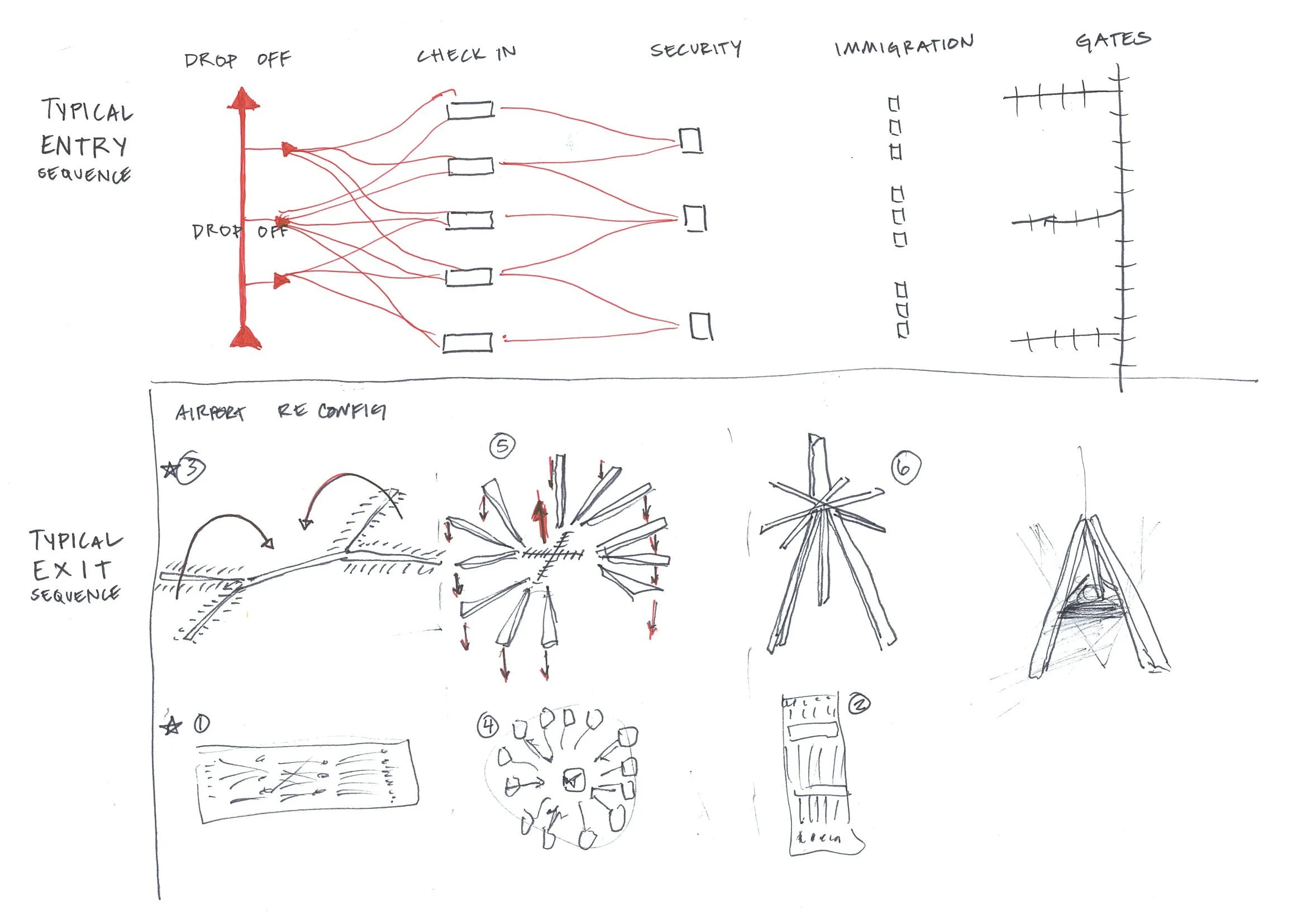
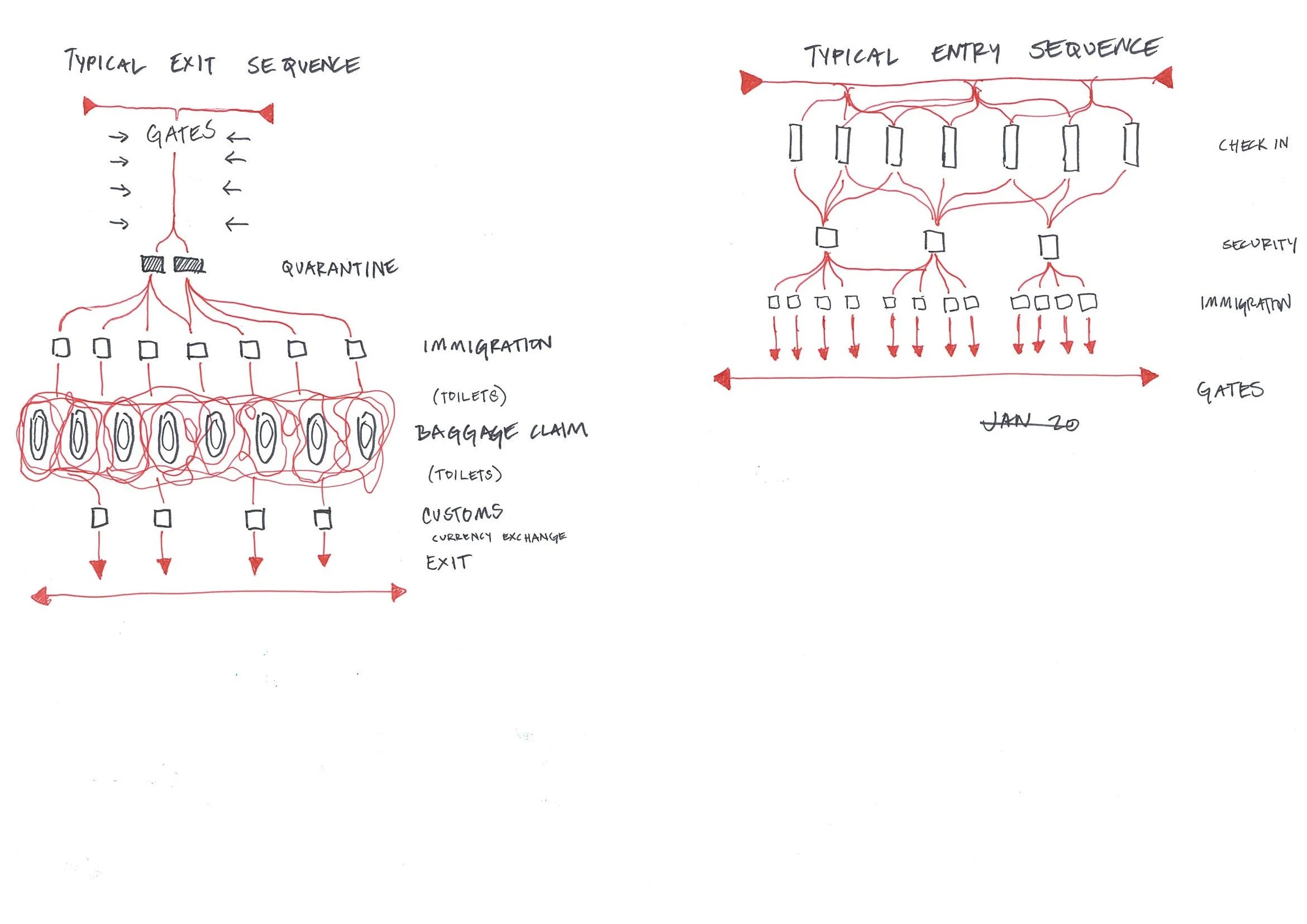
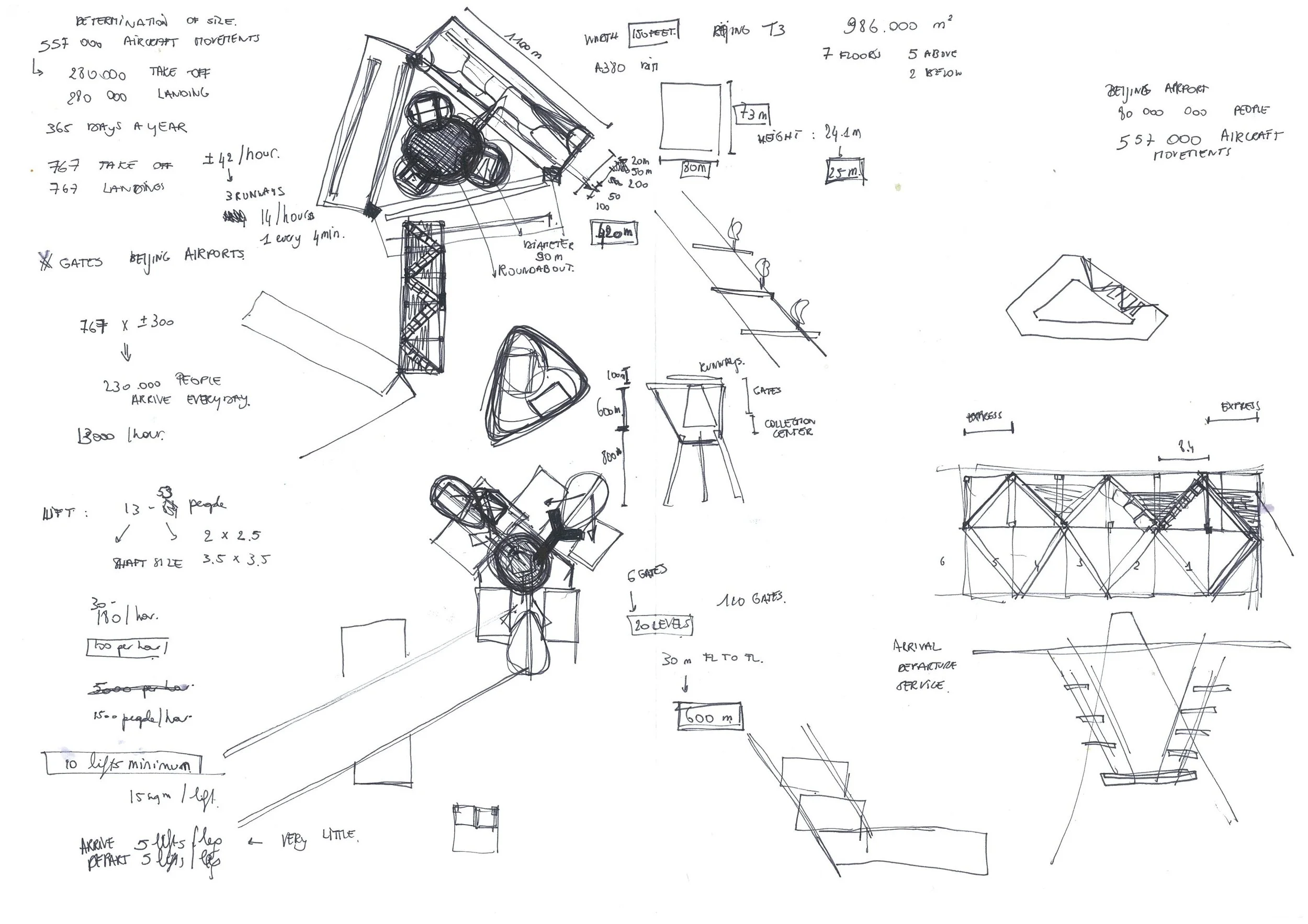
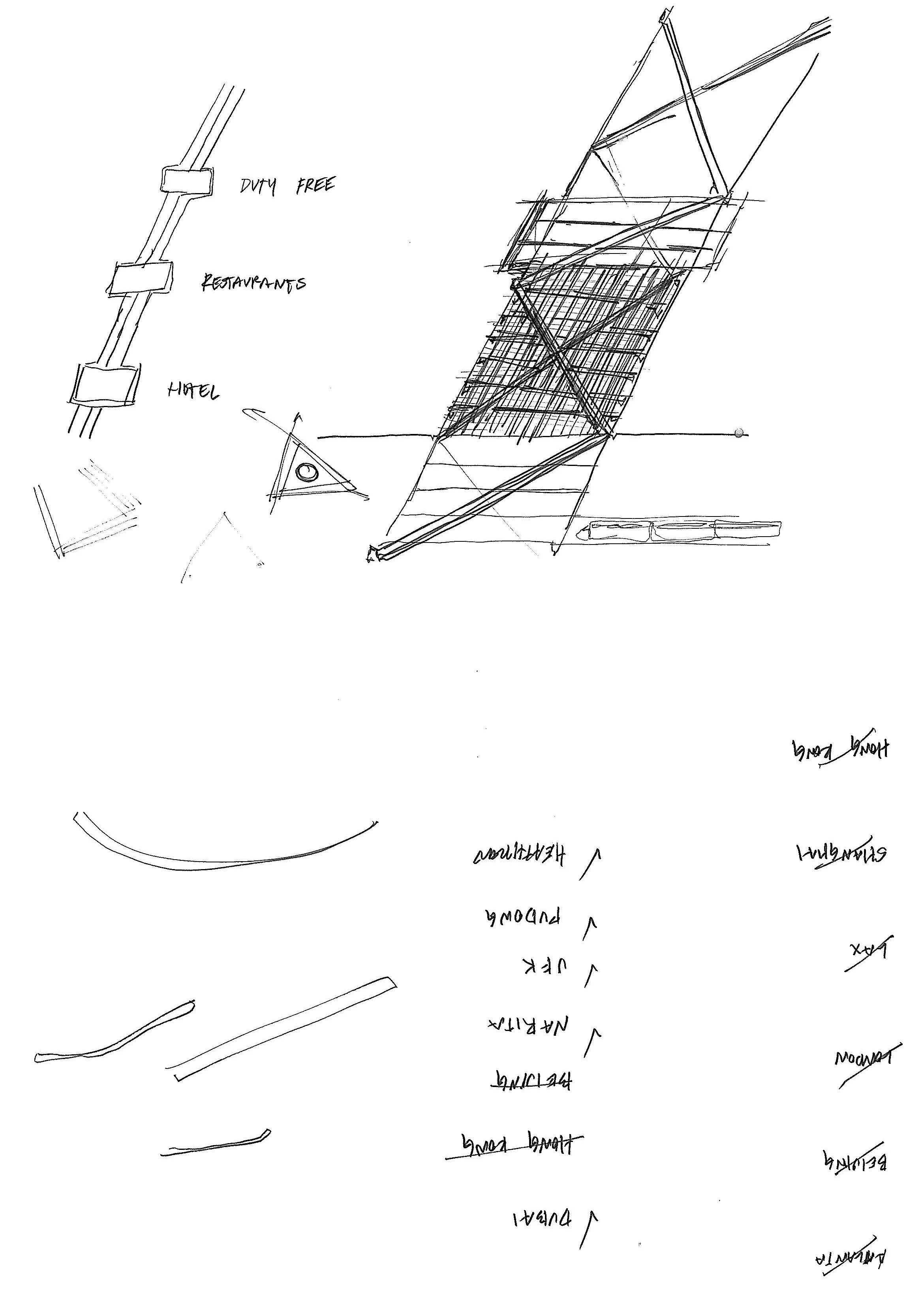
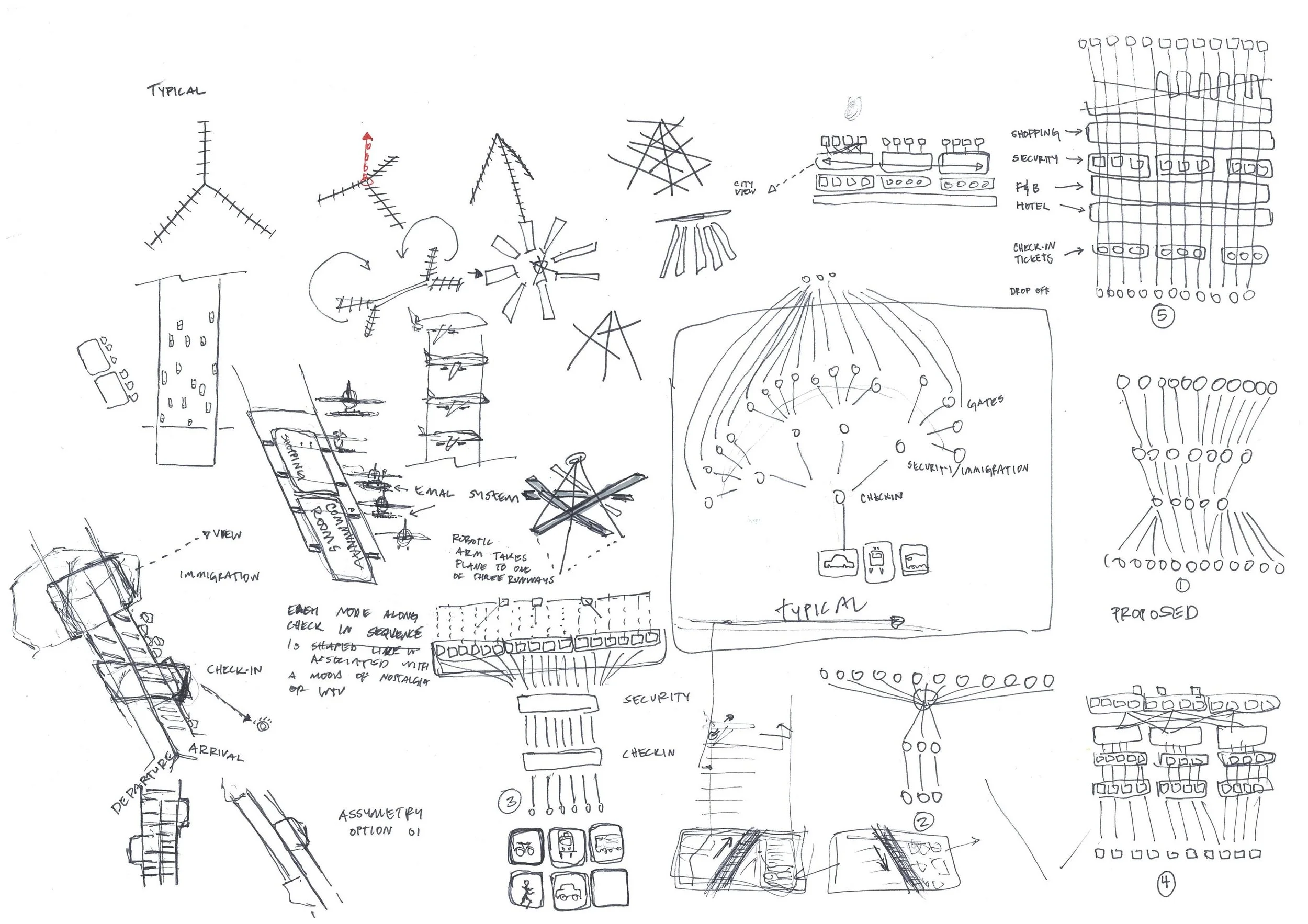
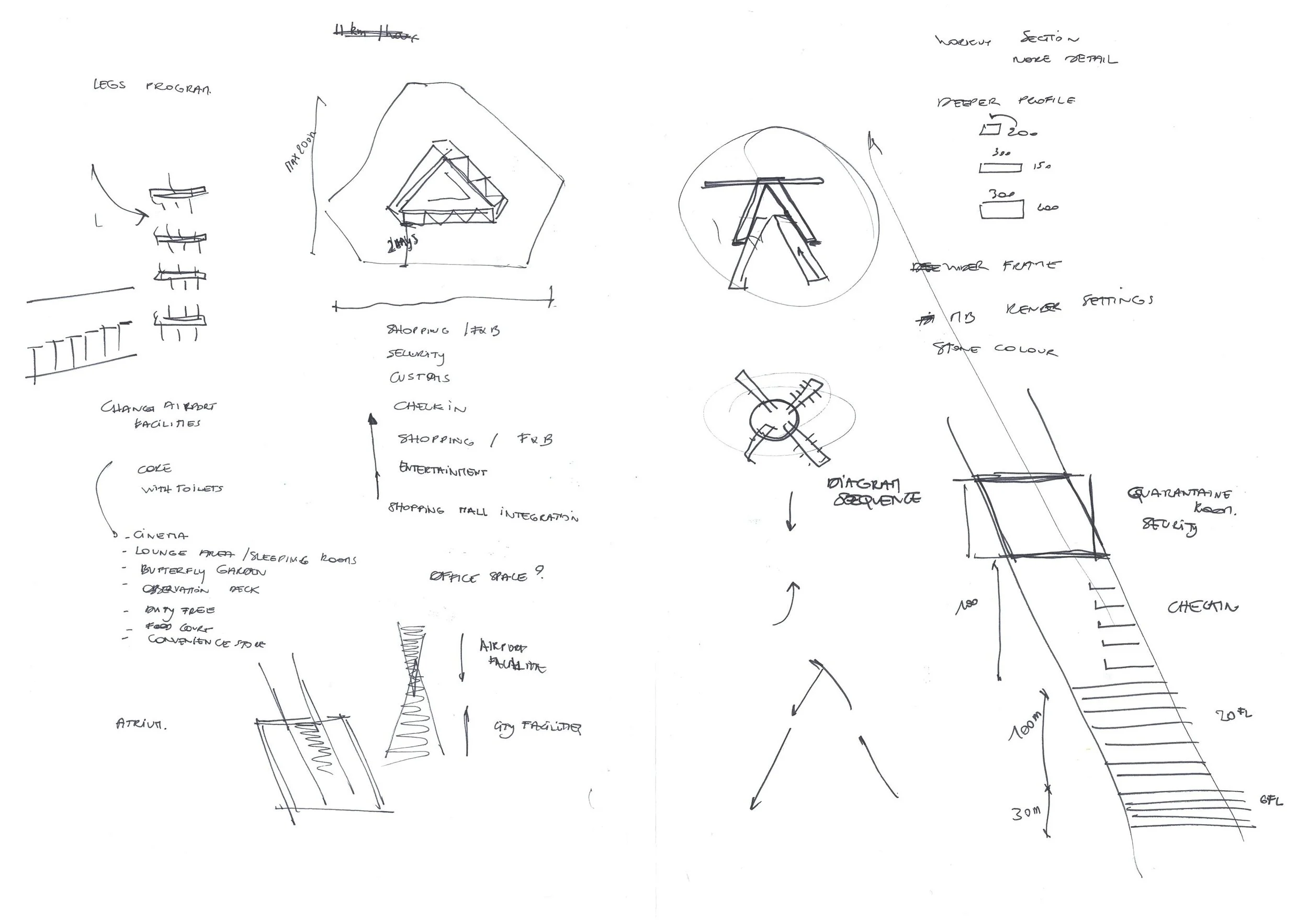
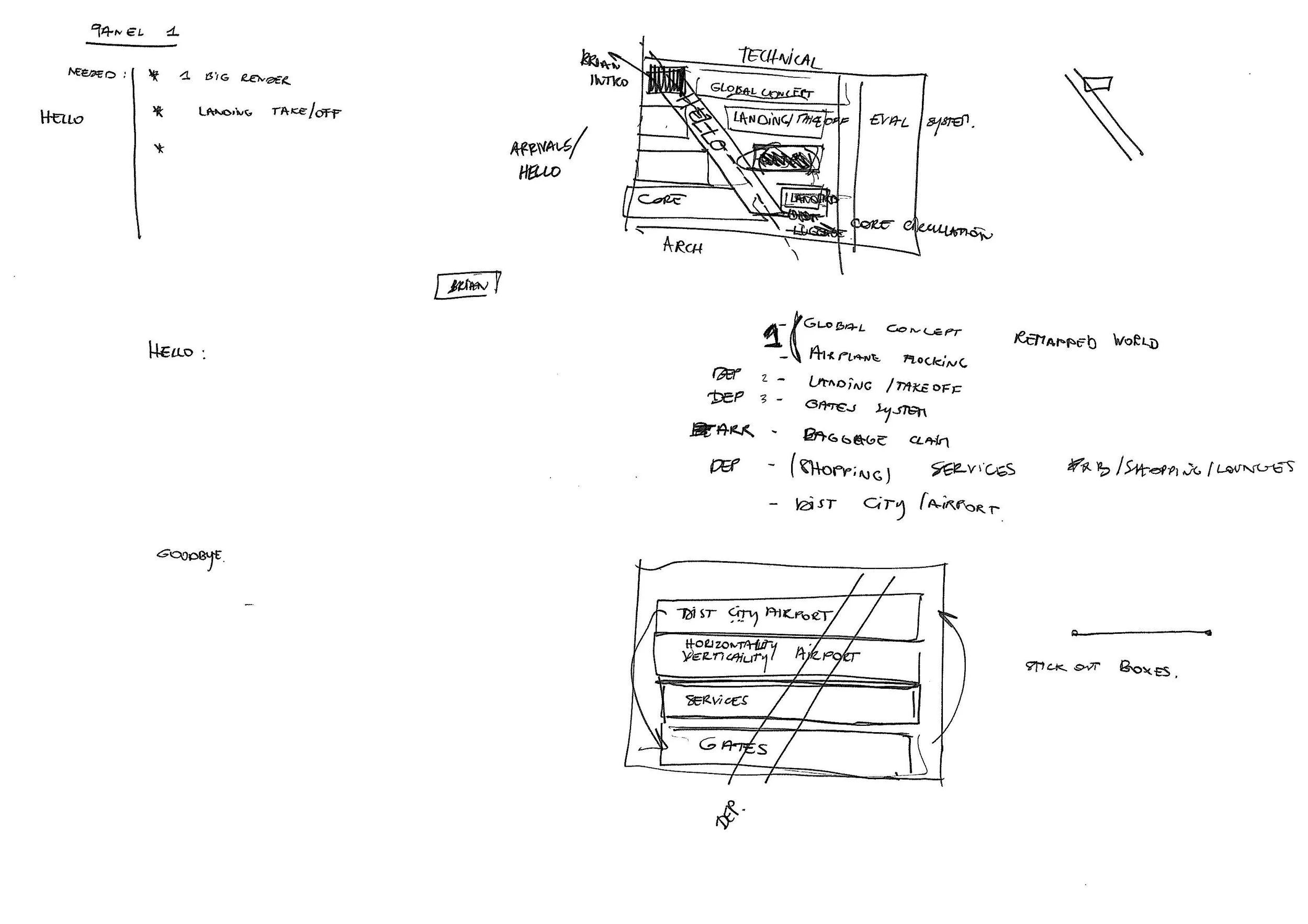
Program is organised strictly in section, stacked in sequence of use from ground to sky. Passengers enter at ground level through four airline-defined drop-off zones directly connected to the city's subway network. Check-in halls rise as a vertical framework above the entry points, followed by security, immigration, gates, shopping, duty-free, F&B, viewing decks, and airline lounges. Runways occupy the top of the structure. Aircraft never leave altitude — they land at the top, are moved vertically by electromagnetic airlifts to their designated gates, and dock via rotatable stations that transfer them to the airbridge.
This vertical sequencing eliminates the lateral sprawl that makes conventional airports spatially illegible. Each program zone has its own identity and experiential logic. Luggage moves through vertical trees rather than horizontal carousels. Sleeping capsules, administration offices, and multifunctional event spaces occupy intermediate floors. The structure's legs carry integrated MEP floors within the transfer trusses, rationalising building services within the structural system itself.
CIVIC ARGUMENT
The typical airport layout sprawls across vast areas of land with a programmatic sequence that bears no spatial resemblance to its appearance. Adjacencies exist purely by necessity. The result is a building that produces no legible narrative and no memorable experience. The AirStation inverts this — by lifting the program into the city and organising it in tight vertical section, it turns the airport into a building with a beginning, middle, and end. Arrival and departure become experiences worth having. The city is always visible. The goodbye is a proper one.
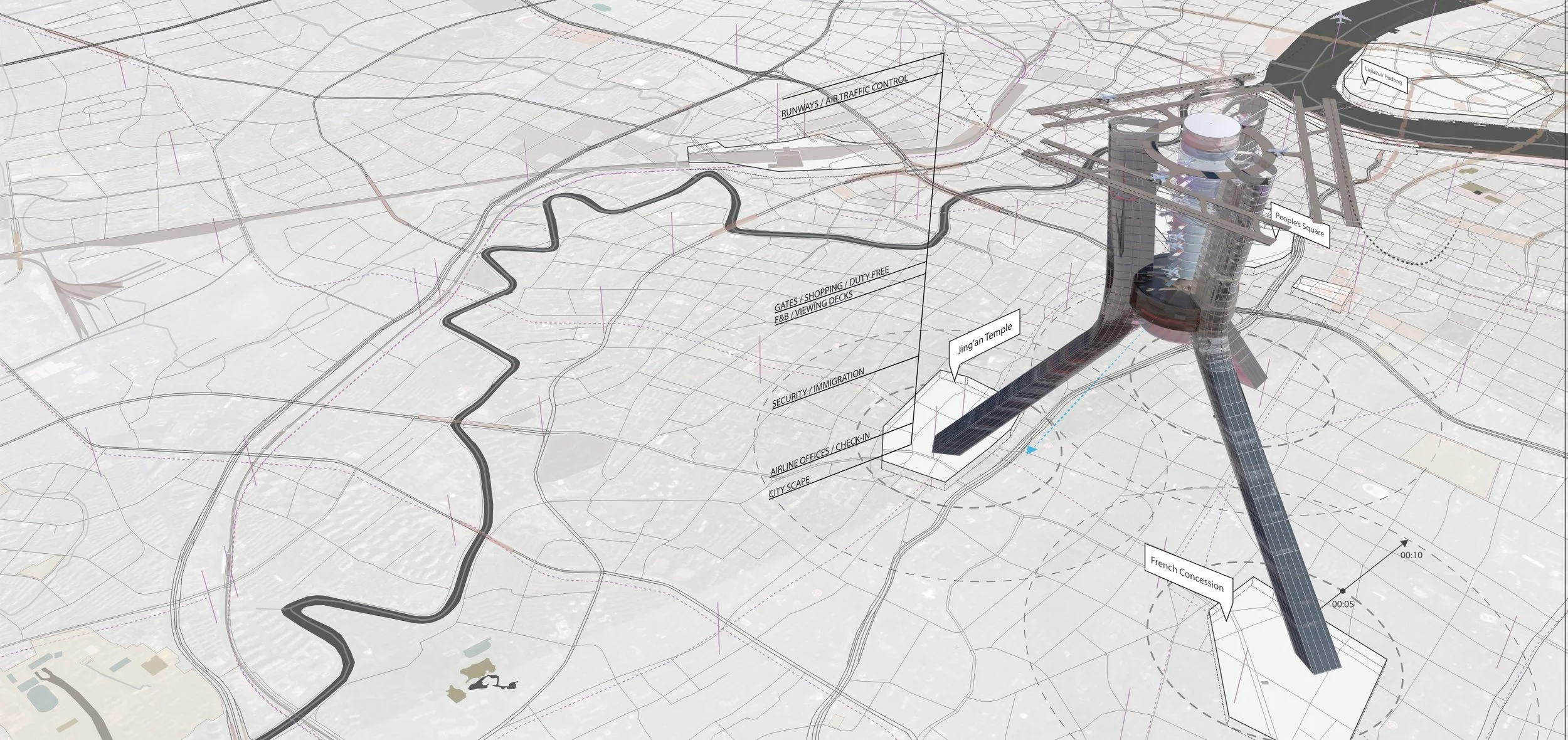
Sketches